For generations, young dancers have been given a fairly narrow picture of what it means to “make it.”
Book the tour.
Dance in the music video.
Make it to Broadway.
Join a company.
Become a choreographer.
And if those things don’t happen, eventually become a dance teacher.
But that picture doesn’t come close to representing the world a young artist is entering today.
The truth is that dance can be the beginning of a career—not the entire definition of one.
A dancer who has spent years becoming technically strong, versatile, musical, creative, comfortable on camera, collaborative and disciplined has developed a collection of skills that can translate into dozens of professions.
So maybe we need to change the question.
Instead of asking:
“Can you actually make a living as a dancer?”
We should be asking:
“What kind of life can you build because you learned to become an artist?”
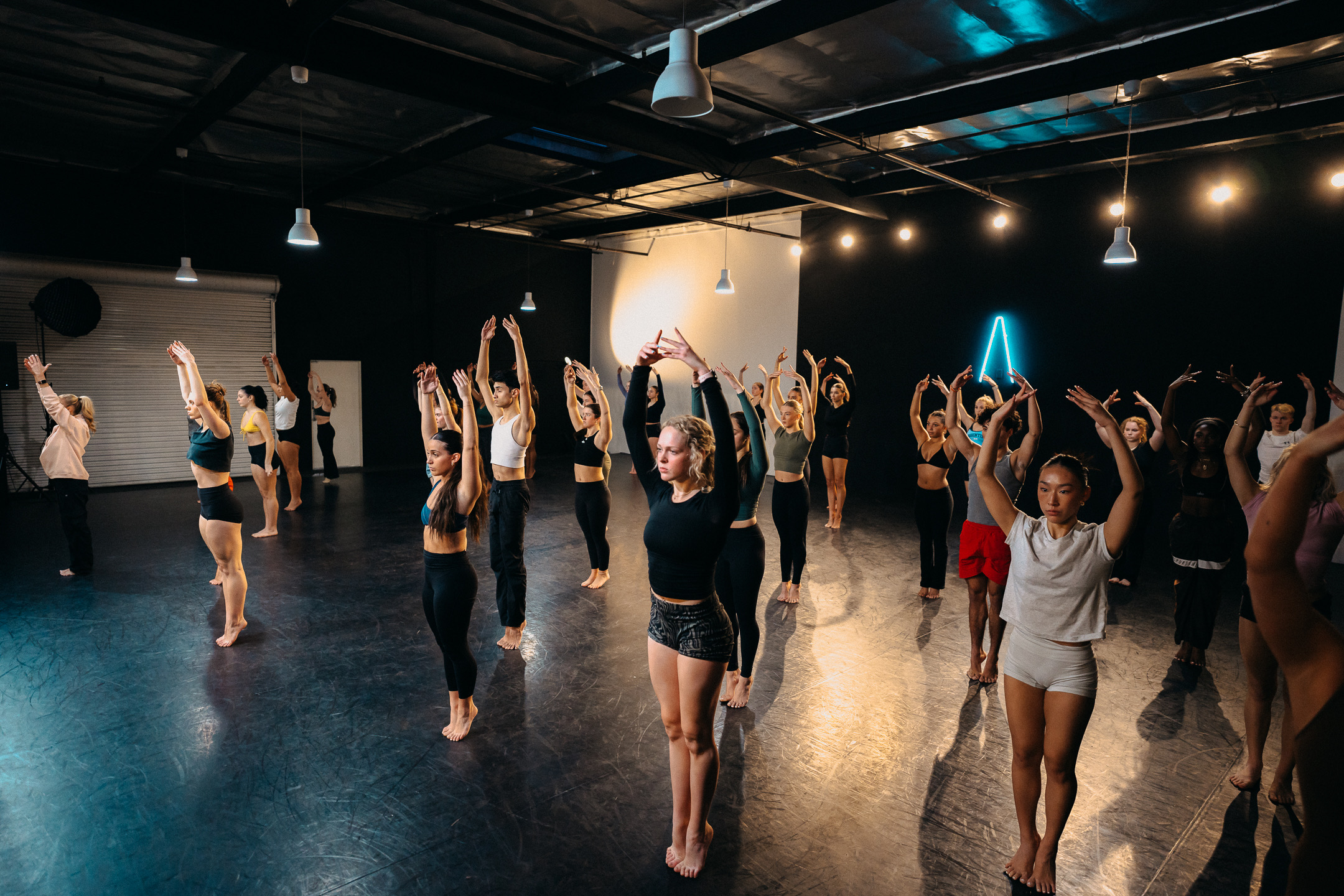
Let’s start with the jobs most dancers already know.
A professionally trained dancer can work in:
And even inside the performance world, there are more specialized opportunities: dance captains, swings, understudies, rehearsal dancers, movement doubles, body doubles, motion-capture performers and performance-capture artists.
But performing is only the first branch of the tree.
At some point, many dancers discover something important.
They don’t only want to perform someone else’s vision.
They have ideas of their own.
That opens another entire career path:
The same dancer who once stood in the back of an audition with a number pinned to their chest may eventually be the person standing behind the table deciding what the production should look and feel like.
That’s not leaving dance.
That’s growing through it.
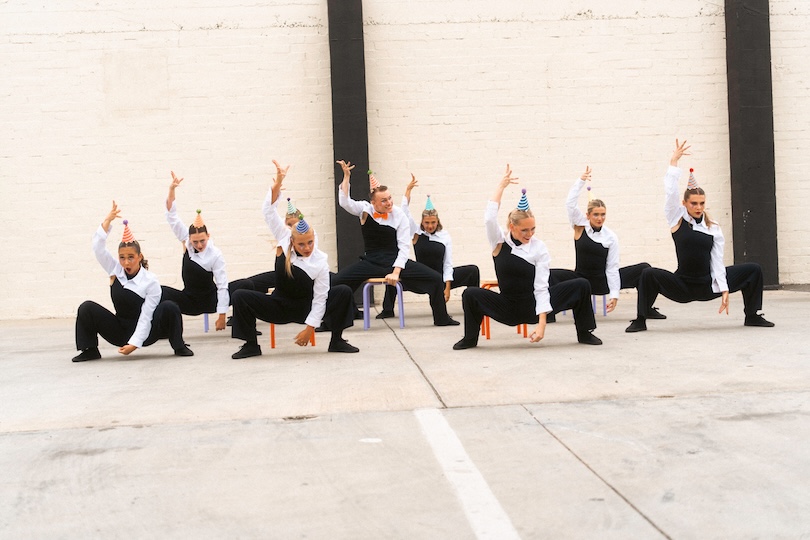
Today’s dancer is also entering an increasingly visual world.
Dance training can translate naturally into filmmaking and content creation because dancers understand something that is difficult to teach:
movement.
They understand timing.
They understand music.
They understand framing.
They understand rhythm.
They understand where someone’s body is going before it gets there.
That can lead toward careers as a:
For the right artist, the camera can eventually become as important a creative instrument as their body.
There is another category that previous generations of dancers barely had access to.
A dancer can now build an audience without waiting for someone to cast them.
YouTube, Instagram, TikTok and whatever platforms come next have created careers around:
For the first time, an artist can potentially become their own distribution company.
That changes the equation.

Years of physical training also give dancers a unique understanding of their bodies.
That can translate into:
Some of these careers require additional education or certification, but the foundation dancers already possess can be incredibly valuable.
Technology is creating another category altogether.
Video games, virtual production, performance capture and immersive entertainment all need people who understand how bodies move.
That creates opportunities in:
We don’t even know what all of these jobs will be called ten years from now.
That’s exactly the point.
We’re training artists for a world that is still being invented.
Teaching also deserves to be viewed differently.
A great teacher isn’t simply someone who stopped performing.
Teaching can become its own extraordinary profession.
Dancers can become:
A dancer can spend one chapter developing their own artistry and another chapter helping hundreds of other artists discover theirs.
That’s a legacy.
Perhaps the biggest shift happens when dancers realize:
I don’t necessarily have to wait for someone to give me a job.
Artists can build things.
A dancer might eventually create a:
At that point, dance has become something even bigger.
It has become the foundation for entrepreneurship.
Parents understandably ask:
“But what kind of career can my child actually have doing this?”
It’s a fair question.
But I think the answer is changing.
Maybe we shouldn’t look at dance training simply as preparation for getting a dance job.
Look at what serious dancers actually learn.
They learn discipline.
They learn how to walk into rooms where they know nobody.
They learn how to audition.
They learn how to handle rejection.
They learn how to receive criticism.
They learn how to collaborate.
They learn how to perform under pressure.
They learn how to tell stories.
They learn how to communicate without speaking.
They learn how to understand music.
They learn how to create.
They learn how to fail, adjust and try again.
Those are not just dance skills.
Those are life and creative-industry skills.
A dancer’s professional journey might eventually look like:
Dancer → Choreographer → Teacher → Creative Director → Producer → Entrepreneur
Another might become:
Dancer → Tour Performer → Artist Movement Coach → Choreographer → Creative Director
Another:
Dancer → Content Creator → Photographer → Filmmaker → Director
And another:
Dancer → Broadway Performer → Dance Captain → Associate Choreographer → Educator
None of those artists “quit dancing.”
Dance simply opened the first door.
This is why we believe the conversation around dance education needs to evolve.
Yes, technique matters.
Yes, training matters.
Yes, being excellent at your craft matters.
But the ultimate goal can be bigger than preparing someone for their next audition.
We can prepare young people to become artists, creators, leaders and entrepreneurs.
People capable of walking into an industry that will change dramatically over the course of their careers and continuing to reinvent themselves.
Because maybe the goal isn’t simply to create dancers who can get jobs.
Maybe the goal is to develop artists who know how to build careers.
And eventually, build lives.
Dance can be the foundation.
Where they take it from there may be limitless.

Cory M. Miller is a creative director, filmmaker, entrepreneur and former professional skater based in Southern California. He is the co-founder of The Brea Space and creator of The Space TV, where he works alongside his wife, Krista Miller, developing and mentoring the next generation of artists.
His career has moved through professional action sports, Hollywood stunt work, filmmaking, photography and creative direction—experiences that now inform his approach to mentorship and artist development.
Cory co-hosts Inside the Space with the Millers with Krista, where they explore creativity, family, careers, personal growth and the realities behind building a life in the entertainment industry.
