In today’s dance world, movement travels fast. Choreography spreads instantly across social media, trends evolve overnight, and dancers are often measured by how quickly they can learn and perform the next combination. But beneath the speed of modern dance culture, one truth remains unchanged:
Great dancers are not built in moments.
They are built through mastery.
At The Brea Space, Krista Miller represents a rare and increasingly essential role in dance education — the master technique teacher and mentor. Her work focuses not on temporary results, but on developing artists whose training stays with them long after they leave the studio.
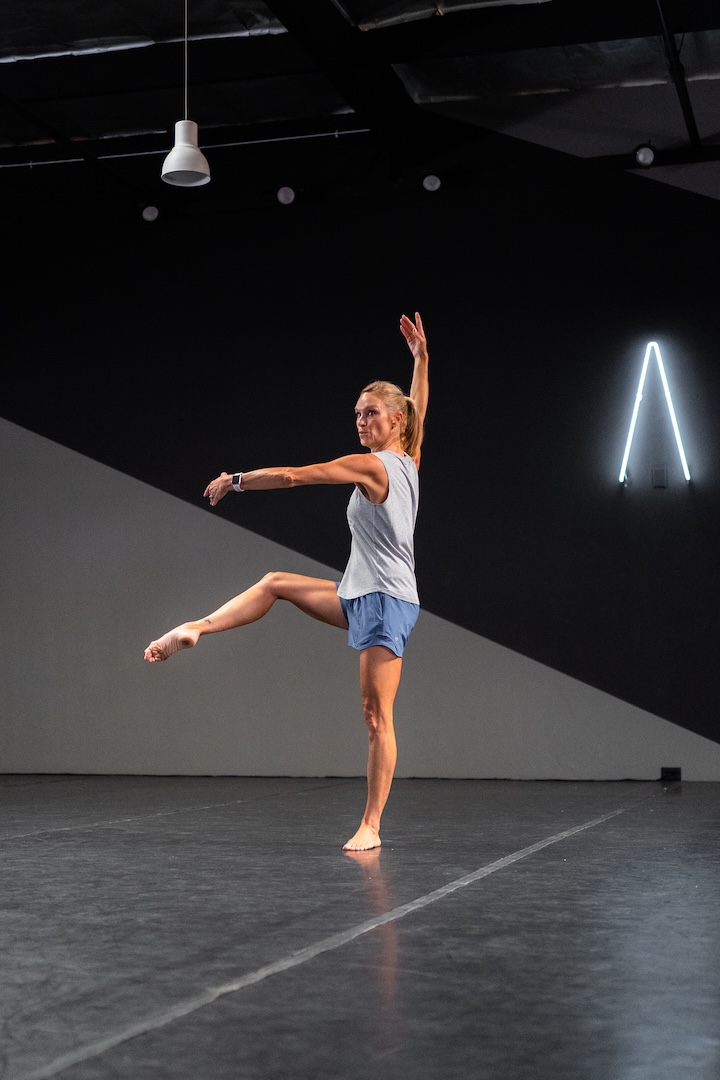
Technique is often misunderstood as rigidity or perfection. In reality, true technique is freedom.
For Krista, technique is not about creating identical dancers. It is about helping each artist understand how their body moves — how weight shifts, how energy travels, and how intention shapes motion. Alignment, Balance, control, musical awareness, and efficiency are taught not as rules, but as tools.
When dancers understand technique at this level, they become adaptable. They can walk into a commercial audition, a contemporary rehearsal, or an on-camera performance and adjust naturally because their foundation is strong.
Technique stops being something they think about and becomes something they trust.
Technique is basis for all styles of dance and is all about the core principles of movement.
It is not going away and will be in every part of your dance journey.
A master teacher looks beyond steps.
Inside Krista’s classes, dancers are challenged to develop awareness — not only physically, but mentally and emotionally. Corrections are about clarity, presence, and intention as much as placement. Students learn how to listen, how to respond to direction, and how to carry themselves professionally in any environment.
This approach prepares dancers for the realities of a professional career, where adaptability, resilience, and focus matter as much as talent.
The goal is not simply to perform choreography well.
The goal is to understand movement deeply enough to make it personal and truthful.
While technique builds the dancer, mentorship builds the artist.
Over years of training, Krista becomes more than an instructor — she becomes a steady guide during one of the most formative periods of a young artist’s life. Dancers learn discipline, patience, accountability, and confidence through consistent support and honest feedback.
Mentorship means helping dancers navigate challenges that exist beyond the mirror: self-doubt, comparison, rejection, and growth.
It means teaching them how to work when progress feels slow and how to stay grounded when success arrives.
Many dancers discover that the lessons they carry forward are not only about dance, but about how to approach life itself.
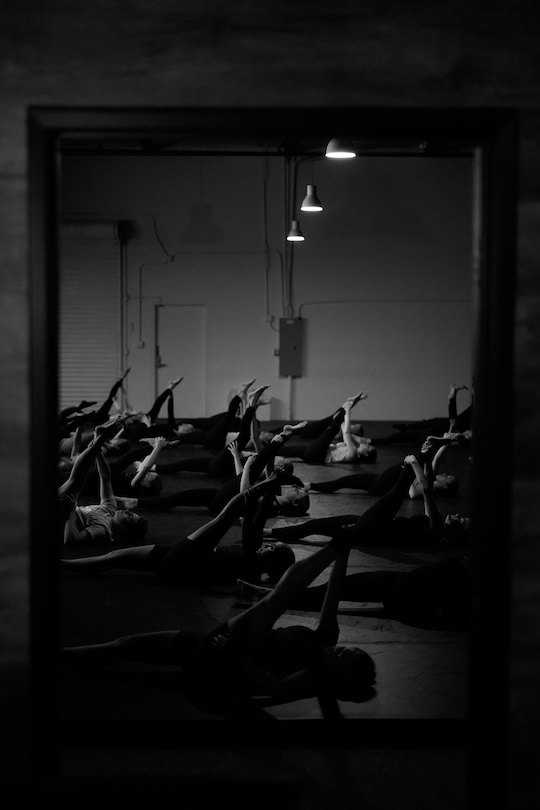
In an era focused on quick results, master teaching values long-term transformation.
The impact of Krista’s work is often most visible years later — in dancers who move with clarity, professionalism, and confidence wherever their careers take them. They adapt quickly in rehearsals, absorb corrections efficiently, and bring authenticity into every performance.
These qualities cannot be taught in a single class. They are developed through consistency, trust, and intentional training over time.
As dance continues to evolve across stage, film, and digital platforms, technical understanding and mentorship have become more important — not less.
The industry increasingly seeks dancers who are not only skilled movers, but thoughtful artists and collaborative professionals. Master educators help bridge that gap by preparing dancers for longevity rather than momentary success.
They teach dancers how to sustain a career, not just how to win a moment.
Master teachers rarely seek the spotlight. Their influence is seen in the artists they develop and the communities they shape.
At The Brea Space, Krista Miller’s work reflects a belief that dance education is ultimately about people — helping young artists discover discipline, confidence, and identity through movement.
Because in the end, technique is not just about how a dancer moves.
It is about giving them the tools to move forward — both as artists and as human beings.

Cory M. Miller is a creative director, filmmaker, entrepreneur and former professional skater based in Southern California. He is the co-founder of The Brea Space and creator of The Space TV, where he works alongside his wife, Krista Miller, developing and mentoring the next generation of artists.
His career has moved through professional action sports, Hollywood stunt work, filmmaking, photography and creative direction—experiences that now inform his approach to mentorship and artist development.
Cory co-hosts Inside the Space with the Millers with Krista, where they explore creativity, family, careers, personal growth and the realities behind building a life in the entertainment industry.
